Furnace replacement
Furnace Replacement in Whitehall, MT
Replacing a furnace should be a decision, not a sales pitch. We give you the real numbers on both paths, then do the change-out properly if replacement wins.
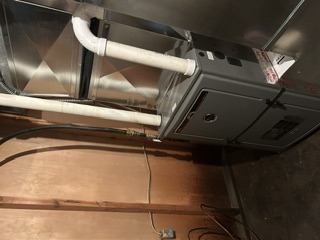
When replacement is genuinely the better buy
Four things move the answer toward replacement: a cracked heat exchanger, a repair cost above roughly half the price of new equipment, an age past twenty years with parts getting scarce, and a pattern of repeat failures across different components. Any one of those deserves a conversation; two together usually settle it.
Everything else is often worth repairing, and we will say so. A furnace that needs an igniter and a capacitor is not a candidate for replacement just because it is fifteen years old.
What we correct during a change-out
A replacement is the one chance to fix what the original install got wrong. We resize the plenum transition if the old one was choking airflow, add a properly sized filter rack, correct gas pipe sizing, redo vent runs to current clearance requirements, and reroute condensate so it cannot freeze in unheated space.
We also revisit sizing rather than matching the old nameplate. Homes get insulated, windows get replaced, basements get finished — the load today is rarely the load the previous furnace was chosen for, and copying it forward is how oversizing gets inherited.
Efficiency choices, explained in dollars
An 80% furnace is simpler, cheaper to install, and vents through an existing chimney or B-vent. A 90%-plus condensing furnace costs more up front, needs PVC venting and a condensate path, and returns the difference in fuel over a long Montana heating season. Which one wins depends on your fuel cost, how long you plan to stay, and what your venting situation allows.
We show you both numbers with your actual usage rather than pushing the highest-margin option. Variable-speed blowers and two-stage burners get the same treatment: what they do for comfort here, and whether the premium pays back for your house.
Local knowledge
Built for Whitehall and the Jefferson Valley
Altitude derate is not optional at 4,300 feet. A condensing furnace set up for sea level runs rich here, sooting the exchanger and shortening its life. We derate and verify combustion as part of every change-out.
We also plan venting for winter reality: sidewall terminations placed clear of drifting and prevailing snow, intakes protected from blowing powder, and condensate lines kept inside the heated envelope wherever the layout allows.
Questions & answers
Frequently asked questions
Should I repair or replace my furnace?+
Compare the repair cost against the age and condition of the whole unit. A cracked heat exchanger, a repair over about half the price of new, parts no longer stocked, or repeat failures across different components all point to replacement. We price both paths free of charge so you can decide with numbers.
How long does a furnace replacement take?+
Most straight replacements are one day. Jobs that change fuel type, move the unit, rework plenums or convert venting can take two. Your quote states the realistic schedule.
Do I need the same size furnace I have now?+
Often not. Insulation upgrades, new windows and finished basements all change the load, and many older furnaces were oversized to begin with. We calculate rather than copy the nameplate.
Will you haul away the old furnace?+
Yes. Removal, disposal and packaging cleanup are included, and the work area is left clean.
Related services
Other work we do nearby
Heater Install
New heating equipment selected and installed for real Montana design temperatures — gas furnaces, unit heaters and add-on heat for spaces ductwork never reached.
Heater Repair
No heat, weak heat or a heater that quits mid-cycle — measured diagnosis and a firm price before the repair starts.
Heater Maintenance
Yearly cleaning, safety testing and tuning so your heat is ready before the first hard freeze in the Jefferson Valley.
Furnace Install
New gas furnace installation done to code: proper venting, gas sizing, altitude derate and a commissioning report.
Furnace Maintenance
Annual furnace cleaning and safety inspection — burners, flame signal, heat exchanger, draft and temperature rise.
Furnace Repair
Ignition faults, short cycling, blower failures and no-heat calls repaired the first time, with a free consultation.
Get honest numbers on repair versus replacement
Call (406) 266-1675 or request a free quote. We'll assess your furnace, price both options in writing, and let you decide without pressure.